
What Happens During a Gas Safety Inspection ?
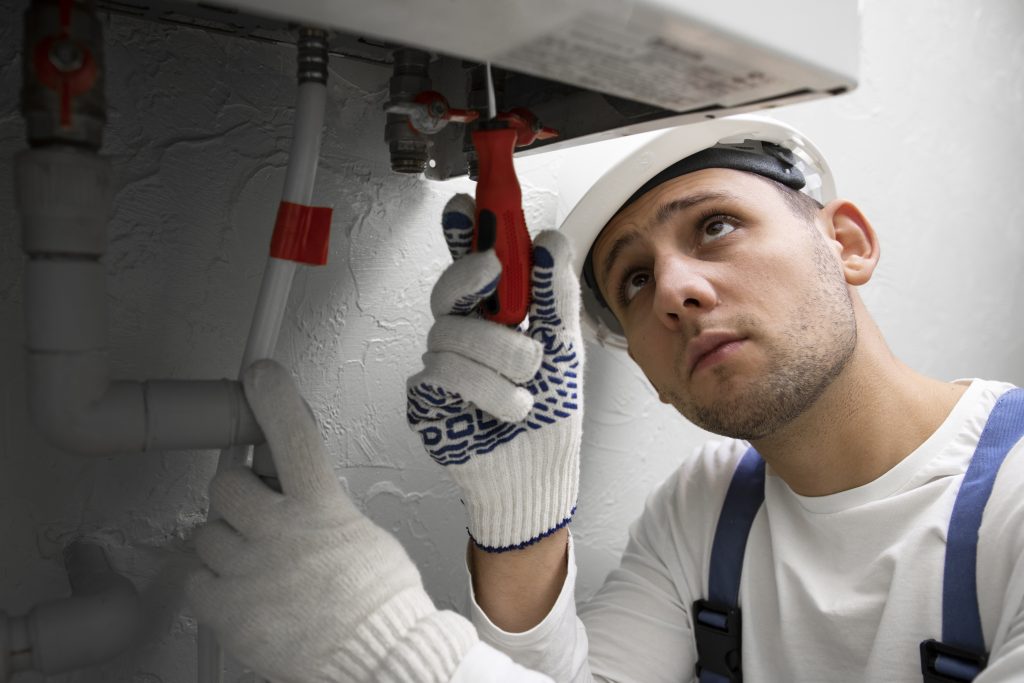
Not sure what to expect when the engineer knocks? You’re not alone. Most landlords and tenants have never watched a gas safety inspection from start to finish. This guide walks through every step, so you know exactly what happens before, during, and after.
What Is a Gas Safety Inspection?
A gas safety inspection is a check carried out by a Gas Safe registered engineer. They test every gas appliance in a property to confirm it’s safe to use. This includes boilers, cookers, and gas fires, plus the pipework and flues connected to them. Once the check is done, you get a certificate — often called a CP12 or Landlord Gas Safety Record — showing the result.
What Happens During a Gas Safety Inspection?
Here’s the process, step by step:
- The engineer checks ID and Gas Safe registration. Always ask to see this before letting anyone start work.
- They locate every gas appliance: Boiler, cooker, hob, and any gas fires in the property.
- They test gas pressure. Each appliance is checked to confirm it’s running at the right pressure.
- They inspect the flue and ventilation. This confirms fumes can escape safely and air can get in.
- They check pipework for leaks. Joints and connections are tested for gas tightness.
- They test each appliance’s safety devices. These shut the appliance down if something goes wrong.
- They record the results. Every appliance gets a pass or fail, written down as they go.
- They issue your certificate. You get a copy on the spot or by email the same day.
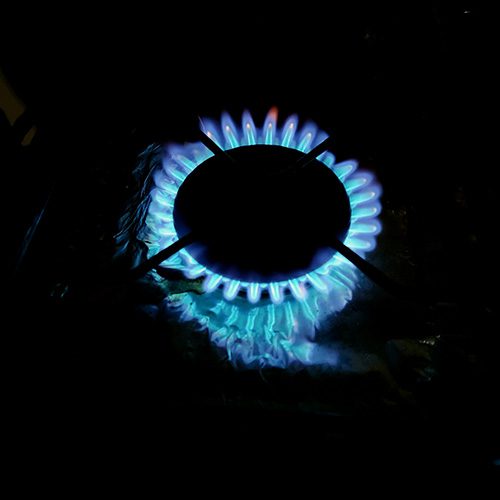
What Does a Gas Engineer Check?
- Boiler — burner, flue, pressure, and safety controls
- Cooker or hob — burners, ignition, and gas supply
- Gas fires — flame pattern, ventilation, and flue clearance
- Pipework — joints, connections, and signs of leaks
- Flues and chimneys — clear of blockages, safe clearance
- Ventilation — enough air supply for safe combustion
Every appliance gets checked on its own. Nothing gets grouped together or skipped.
How Long Does a Gas Safety Inspection Take?
Most inspections take 30 to 45 minutes for a standard property with one or two appliances. A larger home, or an HMO with a shared kitchen and appliances in several rooms, takes longer. The engineer works through each appliance in turn, so time depends on how much there is to check.
Pass or Fail — What Happens Next
If every appliance passes, you get your certificate straight away. It’s valid for 12 months from the inspection date. If something fails, the engineer marks it clearly on the record, along with what’s wrong.
Failed appliances get one of two labels:
- At Risk — the appliance can still be used, but needs attention soon
- Immediately Dangerous — the appliance gets switched off or disconnected on the spot, with your permission
What If an Appliance Fails?
Don’t panic. A fail doesn’t mean a full boiler replacement. Often it’s a simple fix — a worn seal, a blocked flue, or a part that needs replacing. The engineer explains exactly what’s wrong and what it takes to fix it. Once the repair is done, a follow-up check confirms the appliance is safe, and your certificate gets updated.
How Soon Do You Get Your Certificate?
Same day, in most cases. If every appliance passes, your certificate is ready before the engineer leaves, sent to you digitally the same day. That’s useful if you’re on a deadline — a new tenancy starting, or a licence renewal due at the council.
How to Prepare for Your Gas Safety Inspection
- Clear access to appliances. Move furniture or boxes blocking the boiler or cooker.
- Check pilot lights are on. The engineer can’t test an appliance that isn’t running.
- Have your last certificate ready. It helps the engineer spot what’s changed since the last check.
- Be home, or arrange access. Someone needs to let the engineer in and out.
- List any known issues. Odd smells, noises, or a pilot light that won’t stay lit — mention it upfront.
FAQs
How long does a gas safety inspection take?
Usually 30 to 45 minutes for a standard home. Larger properties or HMOs with more appliances take longer.
What happens if my boiler fails the gas safety check?
The engineer marks it as At Risk or Immediately Dangerous, explains the fault, and — with your permission — makes it safe. A follow-up check confirms the fix before your certificate is completed.
Do I need to be present during the inspection?
Yes, or you need to arrange access for the engineer. Someone must let them in and be reachable if a decision is needed on the day.
Can I get my gas safety certificate the same day?
Yes, if every appliance passes. Most certificates are issued digitally within hours of the inspection.
What’s the difference between a gas safety check and a CP12?
Nothing. A gas safety check is the inspection. CP12 is the old name for the certificate you receive afterward — now officially called a Landlord Gas Safety Record.
Need a gas safety inspection booked? We carry out gas safety checks across London and the M25, with next-day appointments and same-day digital certificates. Call 0207 247 9007 or book online.
